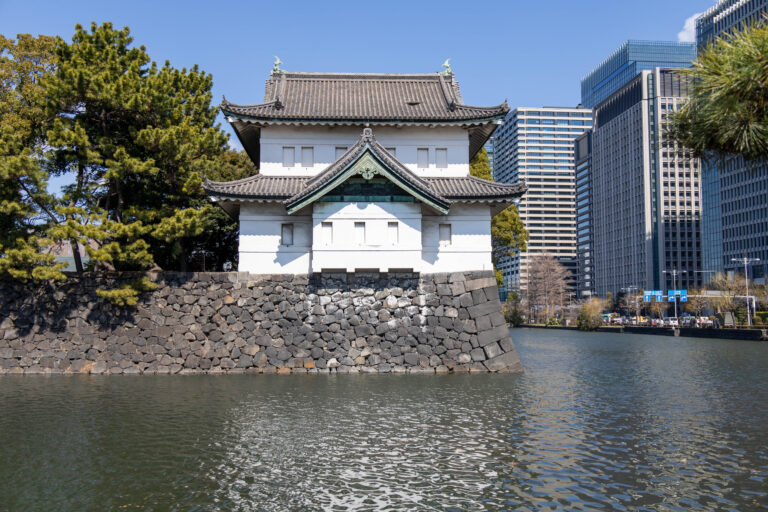
2 Day Osaka Itinerary: The Perfect Introduction to Japan
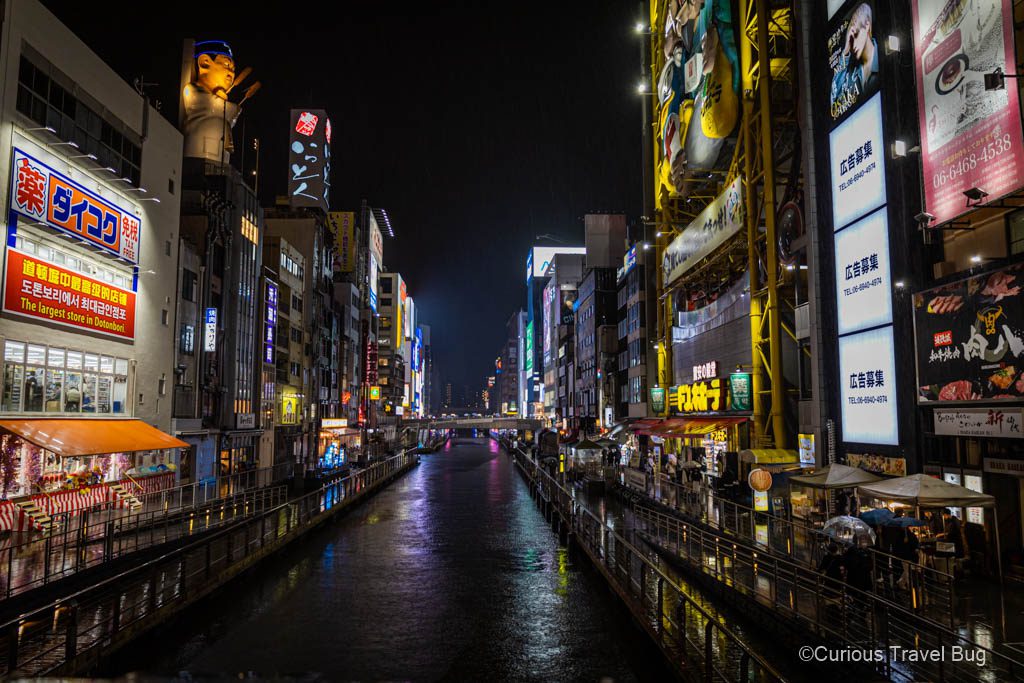
Osaka has its own unique character, and it’s well worth spending a couple of days here. Known as the Nation’s kitchen, this foodie city has streets full of personality. The vibrancy of Osaka only builds after dark, with neon signs that glitter off the Dotonbori canal and food stalls open late.
Before visiting, I didn’t know what to expect from Osaka. I’d read so many negative reviews of the city. Everything from unfavourable comparisons to Tokyo to advice to skip it entirely and spend the time in nearby Kyoto instead. I couldn’t disagree more.
I began my trip to Japan in Osaka, and it was the perfect starting place. It has walkable streets, easy transit, and great day trips nearby. This two day Osaka itinerary is ideal for first-timers as your introduction to Japan. Osaka is a must-visit city that you’ll quickly find yourself falling for it and promising a return trip.
This post contains affiliate links, if you make a purchase through these links I will earn a commission at no extra cost to you. Thank you!
Planning your trip to Osaka? Below are some places to stay, things to do, and more.
Best Tours and Experiences in Osaka- Food Tour of Osaka (Perfect way to explore Osaka)
- Deep Backstreets Walking Tour (explore off the beaten path)
- Dotonbori River Cruise
- Sumo Experience
- Hotel the Flag, Shinsaibashi (I stayed here! Great location and hotel)
- Swissotel Nankai Osaka, Namba (above Namba Station, pool)
- Hotel Hankyu Respire, Umeda (Great location and views)
Is Osaka Worth Visiting?
Although many people skip Osaka and just stay in nearby Kyoto, I do think Osaka is worth visiting. It has a completely different vibe than Kyoto. It’s the perfect jumping-off point for day trips and I found Osaka Castle to be very charming. It’s also the place to be if you’re a foodie, as Osaka is known as the Nation’s Kitchen.
I found great accommodation options at a cheaper price point than Kyoto too, so on top of being a worthwhile destination, it saved me money as well.
When to Visit Osaka
Like other major cities in Japan, Osaka gets crowded in peak tourist seasons. I recommend visiting Osaka in either spring (March and April) or autumn (October and November) for the best weather. One of the benefits of travelling in early spring (March) is catching the plum blossoms at Osaka Castle. Osaka gets very hot in the summer, so I’d avoid June to August.
A visit during cherry blossom season (early April) or fall foliage season (late November) will mean more crowds.

How Many Days to Spend in Osaka
If you just want to see the main sights of Osaka, you could cover all of the highlights in one full day. This itinerary spans one full day and a part day giving you time to see nearby Nara as well as Osaka’s highlights. You can also use Osaka as a base to explore Kyoto, however, I do recommend staying in Kyoto itself instead, as you’ll end up spending a lot of time on the train.
If you want to do a day trip to Hiroshima and Miyajima, add another full day to Osaka. If you are interested in visiting Universal Studios, you’ll need another full day for that too.
Where to Stay in Osaka
Osaka has a great metro system, and I recommend staying close to a station on the Midosuji Line to get around easily.
I stayed in Shinsaibashi and loved being within walking distance of Dotonbori. It is on a main metro line making it easy to reach other parts of Osaka. The area also has great shopping, including Shinsaibashi Shopping Street, and food options. For me, it was the perfect base. Namba and Umeda are also great choices, both convenient for transit and popular sights.
I stayed at Hotel the Flag in Shinsaibashi and loved the location. It was quiet but just steps away from nightlife. The rooms were a good size with a great shower, and I would happily stay there again. Front desk staff were also helpful with luggage forwarding and storage.
Where to Eat in Osaka
You’re spoiled for choice in Osaka. A stroll around Dotonbori Street will turn up plenty of street food to try, and I’d recommend joining a food tour of Osaka to make the most of your time.
Osaka is famous for takoyaki (octopus balls), Osaka-style okonomiyaki (cabbage pancakes), and kushikatsu (deep-fried vegetables and meat).
If you’re vegetarian or vegan, don’t despair. Head to OKO – Fun Okonomiyaki Bar for vegan okonomiyaki in a fun setting or OKO Takoyaki for vegan takoyaki.
2 Day Osaka Itinerary
For this Osaka itinerary, you will need to spend two nights in this city, giving you almost two full days to explore. Osaka was my first stop on a two-week trip through Japan, followed by Kyoto, Hiroshima, and Miyajima. Which is why you won’t see them here as day trips from Osaka.
Day 1: Nara Day Trip, Dotonbori with optional food tour
Day 2: Osaka Castle, Namba Yasaka Shrine, Shopping/Explore Osaka
Arrival Evening: Check in and Explore Around Hotel
Osaka was the first stop on my Japan trip, so I arrived in the city from the airport quite late in the day. If you’ are’re coming to Osaka from elsewhere in Japan, like Tokyo, you may be able to hit the ground running and visit Nara on your first day instead.
After checking into Hotel the Flag in Shinsaibashi, I made a quick trip to Dotonbori for dinner. I’d recommend trying okonomiyaki at Dorajyu or, if you are vegan, OKO – Fun Okonomiyaki Bar.

Day 1: Visit Nara and Explore Dotonbori
Using your first full day in Osaka to visit Nara means you can take your time exploring and still get back for Osaka’s nightlife. A day trip to Nara was one of my favourite days in Japan, so I’d highly recommend making time for it if you enjoy temples and shrines. It’s also home to the famous bowing deer.
Getting to Nara is easy, as local trains run there and you don’t need to book ahead. The most convenient option is the Kintetsu-Nara Line, which departs from Osaka-Namba station and gets you there in about 35 minutes.
Visiting Nara’s Temples
Start your day at Kofuku-ji Temple to see the Octagonal Hall. After, make your way to Todai-ji. You’ll find plenty of Nara’s famous bowing deer near this temple, so keep a lookout. Vending machines sell snacks to feed them, but keep in mind that they can be aggressive. Even though they’re used to people, they’re still wild animals and have been known to knock people over.

Todai-ji Temple is one of the must-sees in Nara. It’s a UNESCO World Heritage Site, having been a religious site since the 8th Century. There’s an entrance fee for the Great Buddha Hall, but it is well worth it to see the giant Buddha towering over you as well as the other statues and artwork. If you are collecting tourist stamps, there’s one inside the Great Buddha Hall plus a goshuin stamp for purchase.

After the Great Buddha Hall, head to Nigatsu-do (February Hall), also part of the Todai-ji Temple Complex. It offers fantastic views over Nara and the chance to hear monks chanting.
Nara has plenty of lunch options. I stopped at Rokumeien near the Todai-ji Bell Tower for its convenient location. I loved the fast service and the delicious, affordable set meals, which included vegetarian options.

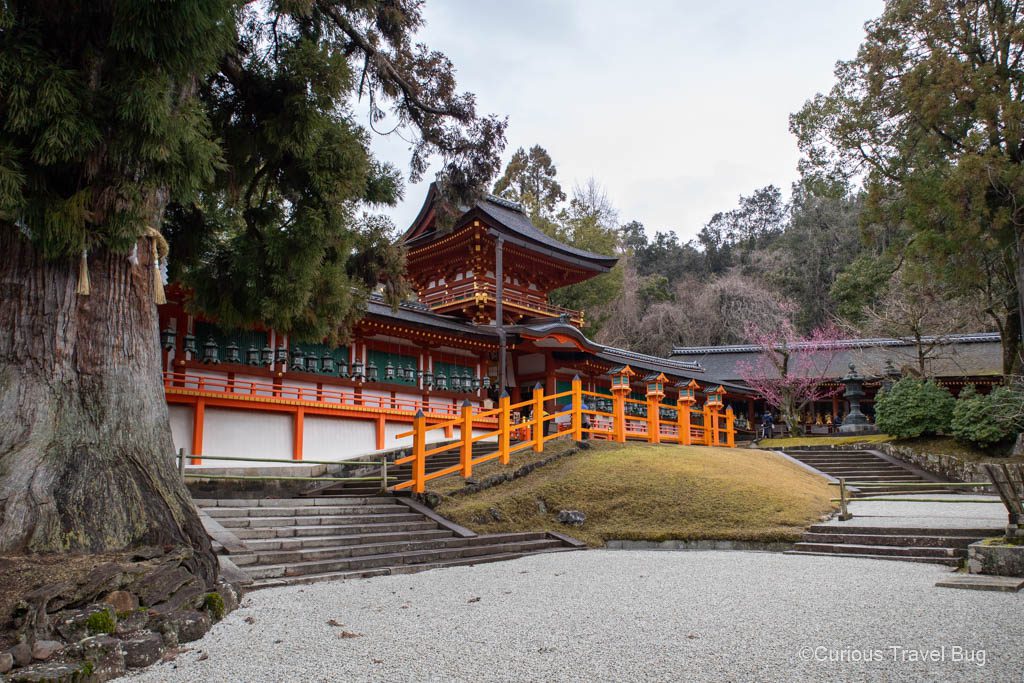
After lunch, head to Kasuga Taisha Shrine. It ended up being my favourite site in Nara. You walk through paths lined with stone lanterns before arriving at vibrant vermillion walkways and gorgeous decorative lanterns.
To end your day trip, spend some time on Higashimuki Shopping Street near the train station. This pedestrian street is the perfect place to find some mochi for the ride back to Osaka.
Exploring Dotonbori
Back in Osaka, if you missed it your first evening, now’s the perfect time to do a food tour of Osaka. Otherwise, sample more of the food Osaka is famous for. I had okonomiyaki again at OKO – Fun Okonomiyaki Bar, since I’d enjoyed it so much the first time.

Dotonbori has an almost carnival-like feel and is a lot of fun to explore at night. The canals and signs are worth seeing lit up at night. Osaka also has plenty of arcades to wander through, whether for the spectacle or to try your hand at the games and claw machines.

Day 2: Osaka Castle and Depart Osaka
I started the day by shipping my large luggage ahead to Kyoto and storing my smaller bag at the hotel. Because Kyoto is so close, luggage is shipped the same day so it’s waiting at your Kyoto hotel by the time you arrive.
I took the metro to Morinomiya Station, where there’s a road train you can take instead of walking the 1.4km to the castle. I opted for the train to save on some walking, since my trip to Japan was pretty walking-intensive.
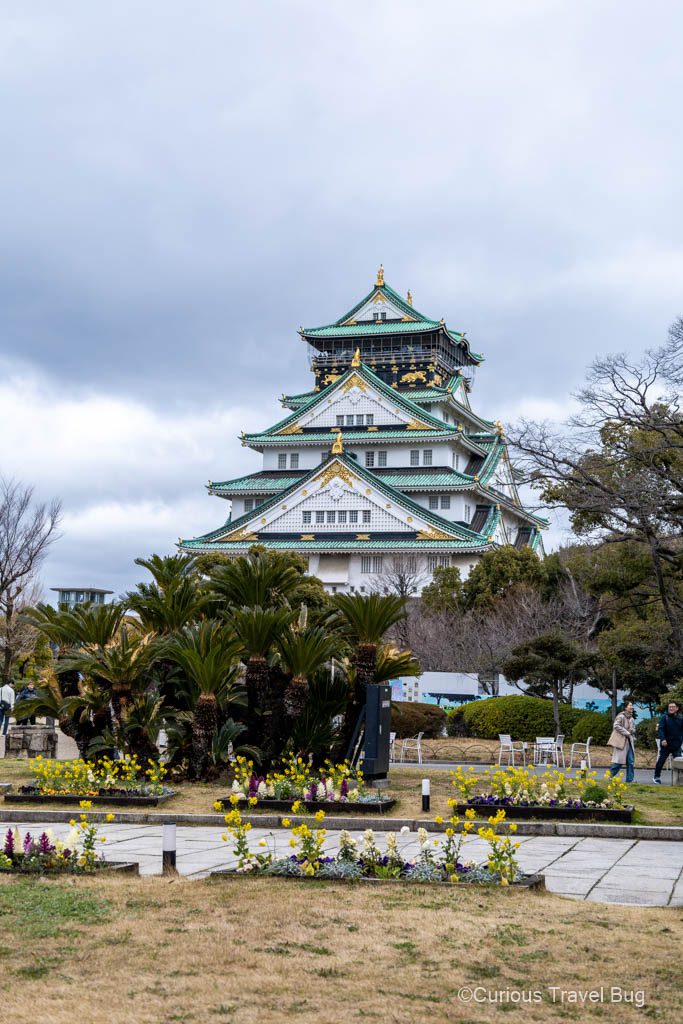
The moats around Osaka Castle are beautiful and full of birds hunting for fish. Depending on when you visit, it may be worth exploring the castle grounds. There are wisteria, peach, cherry, and plum groves, so there’s something for every season.

I visited in March during ume (plum) blossom season and Osaka Castle is one of the best places to see them. There’s a huge grove of ume trees ranging from white to deep pink blossoms.


I didn’t go inside Osaka Castle, but it was fantastic to walk around Osaka Castle Park and see it from different angles. There are plenty of lunch options nearby, or you can grab onigiri and sandwiches from the Lawson near Morinomiya Station.
After Osaka Castle, I took the metro to Namba to see Namba Yasaka Shrine. This shrine is famous for the huge lion’s head that forms the shrine. It’s a quick visit as the shrine is quite small.

Before heading to Kyoto, I explored Dotonbori once more to see it during daytime, then picked up my luggage from the hotel and caught the train out of Osaka.
Final Thoughts on Osaka
Osaka was the first city I visited in Japan, and I couldn’t have asked for a better start. Between historic Nara, Osaka Castle, and wandering Dotonbori at night sampling the city’s incredible food, it’s a great introduction to everything Japan has to offer.